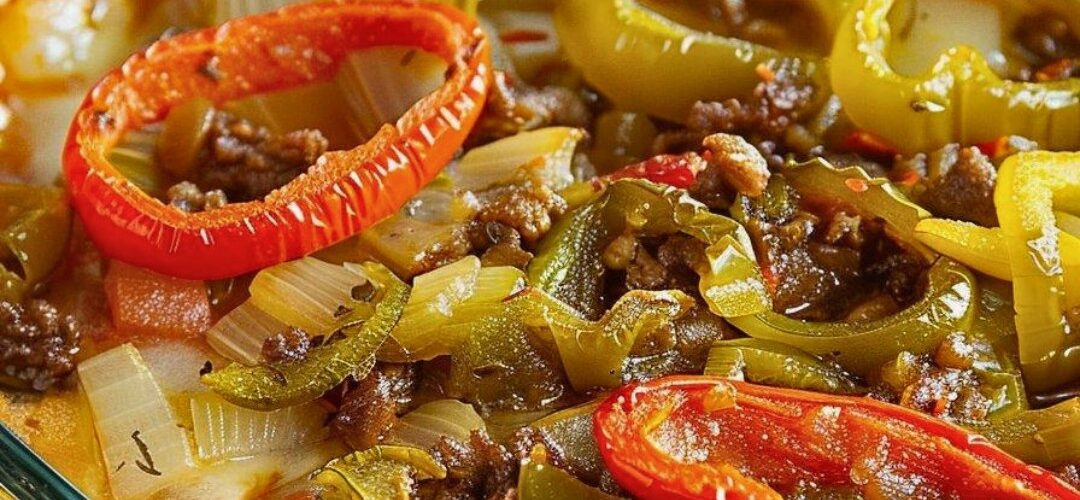
Dieses würzige Hähnchen-Gemüse-Pfannengericht bringt in nur 30 Minuten Geschmack in Restaurantqualität in Ihre heimische Küche. Vollgepackt mit zartem Hähnchen, knackigem Gemüse und einer herzhaften Sauce, die jeden Bissen umhüllt, beweist dieses Gericht, dass gesunde Ernährung weder kompliziert noch zeitaufwendig sein muss. Perfekt für arbeitsreiche Wochentage, an denen Sie etwas Nahrhaftes, Leckeres und Sättigendes möchten, ohne stundenlang in der Küche zu stehen.
Zutaten
Für das Huhn und das Gemüse
- 450 g Hähnchenbrustfilet ohne Haut und Knochen, in 2,5 cm große Würfel geschnitten
- 1 großer Brokkolikopf, in mundgerechte Röschen geschnitten (ca. 4 Tassen/400 g)
- 1 große rote Paprika, in Streifen geschnitten (ca. 1 Tasse/150 g)
- 1 mittelgroße gelbe Zwiebel, in Halbmonde geschnitten (ca. 1 Tasse/150 g)
- 2 Knoblauchzehen, gehackt (ca. 2 Teelöffel/6 g)
- 2 Esslöffel (30 ml) Pflanzenöl, geteilt
Für die Wok-Sauce
- 3 Esslöffel (45 ml) natriumarme Sojasauce
- 1 Esslöffel (15 ml) Austernsauce
- 1 Esslöffel (8 g) Maisstärke
- 2 Esslöffel (30 ml) Hühnerbrühe oder Wasser
- 1 Teelöffel (5 ml) Sesamöl
- 1/2 Teelöffel (2,5 g) frischer Ingwer, gerieben
- 1/4 Teelöffel (1,25 g) schwarzer Pfeffer
Zum Servieren
- 3 Tassen (555 g) gekochter Jasminreis oder brauner Reis
- 2 Frühlingszwiebeln, schräg geschnitten
- 1 Esslöffel (8 g) Sesamsamen
- Rote Pfefferflocken (optional)
Schritt-für-Schritt-Anleitung
Vorbereitungszeit: 15 Minuten
Kochzeit: 15 Minuten
Gesamtzeit: 30 Minuten
- Sauce zubereiten : Sojasauce, Austernsauce, Maisstärke, Hühnerbrühe, Sesamöl, geriebenen Ingwer und schwarzen Pfeffer in einer kleinen Schüssel glatt rühren. Beiseite stellen. Die Maisstärke dickt die Sauce an und sorgt für die glänzende Oberfläche, die für gute Pfannengerichte typisch ist.
- Alle Zutaten vorbereiten : Das Hähnchen in gleichmäßige 2,5 cm große Würfel schneiden, damit es gleichmäßig gart. Den Brokkoli in mundgerechte Röschen schneiden, die Paprika in Streifen und die Zwiebel in Halbmonde schneiden. Für ein gelungenes Pfannengericht ist es entscheidend, dass alles vorbereitet ist, bevor Sie mit dem Kochen beginnen.
- Pfanne erhitzen : Einen großen Wok oder eine Bratpfanne mit dickem Boden bei starker Hitze erhitzen, bis sie rauchend heiß ist. Diese hohe Hitze ist wichtig, um das richtige Anbraten zu erreichen und zu verhindern, dass die Zutaten dampfen.
- Hähnchen zubereiten : 1 Esslöffel Pflanzenöl in die heiße Pfanne geben. Die Hähnchenstücke in einer Lage hineinlegen, sodass sie sich nicht überlappen. 2–3 Minuten anbraten, bis sie von einer Seite goldbraun sind. Anschließend umrühren und weitere 2–3 Minuten braten, bis das Hähnchen durchgegart und von allen Seiten goldbraun ist.
- Add the Onions and Peppers: Push the chicken to one side of the pan and add the remaining tablespoon of oil. Add the sliced onions and bell peppers to the empty side of the pan. Stir-fry for 2-3 minutes until the vegetables begin to soften but still retain some crunch.
- Incorporate Aromatics: Add the minced garlic to the pan and stir everything together. Cook for 30 seconds until fragrant, being careful not to let the garlic burn.
- Add the Broccoli: Add the broccoli florets to the pan and stir-fry for 3-4 minutes until they turn bright green and are tender-crisp. The broccoli should still have a slight bite to it.
- Finish with Sauce: Give the sauce mixture a quick stir to recombine the cornstarch, then pour it over the chicken and vegetables. Toss everything together and cook for 1-2 minutes until the sauce thickens and coats all the ingredients with a glossy finish.
- Serve Immediately: Remove from heat and serve immediately over steamed rice. Garnish with sliced green onions, sesame seeds, and red pepper flakes if desired.
Nutritional Information (Per Serving, Based on 4 Servings)
- Calories: 320
- Total Fat: 9g
- Saturated Fat: 2g
- Cholesterol: 75mg
- Sodium: 680mg
- Total Carbohydrates: 15g
- Dietary Fiber: 4g
- Sugars: 8g
- Protein: 28g
- Vitamin C: 95mg (105% DV)
- Vitamin A: 850mcg (94% DV)
- Iron: 2.5mg (14% DV)
- Calcium: 65mg (5% DV)
Variations and Substitutions
Protein Alternatives
Replace chicken with thinly sliced beef sirloin, pork tenderloin, or shrimp for variety. For vegetarian options, substitute with firm tofu, tempeh, or extra vegetables like mushrooms and snap peas. Each protein may require slightly different cooking times, so adjust accordingly.
Vegetable Variations
This recipe is incredibly flexible with vegetables. Try adding snap peas, carrots, zucchini, mushrooms, or baby corn. Root vegetables like carrots should be added earlier in the cooking process, while delicate vegetables like spinach should be added at the very end.
Sauce Modifications
For a spicier version, add 1-2 teaspoons of sriracha or chili garlic sauce to the sauce mixture. For a sweeter profile, include 1 tablespoon of honey or brown sugar. Those avoiding soy can substitute with coconut aminos for a similar umami flavor.
Low-Carb Option
Serve over cauliflower rice, zucchini noodles, or shirataki noodles instead of regular rice. This reduces the carbohydrate content significantly while maintaining all the delicious flavors of the stir-fry.
Gluten-Free Version
Use tamari or coconut aminos instead of soy sauce, and ensure your oyster sauce is gluten-free. Most cornstarch is naturally gluten-free, but check the label if you have celiac disease.
Meal Prep Friendly
This stir-fry stores beautifully for meal prep. Cook the rice separately and store the stir-fry in individual containers. It keeps in the refrigerator for up to 4 days and reheats well in the microwave or on the stovetop.
Expert Tips for Perfect Stir-Fry
The key to restaurant-quality stir-fry at home is maintaining high heat throughout the cooking process. Never overcrowd the pan, as this will cause the ingredients to steam rather than sear. If you’re doubling the recipe, cook in two batches to maintain proper heat levels.
Cut all ingredients to similar sizes for even cooking, and always have your sauce prepared before you start cooking since stir-frying happens quickly. The entire cooking process should take no more than 10-12 minutes once you start.
For the best texture, don’t stir too frequently. Let each ingredient sear properly before moving it around the pan. This creates those delicious caramelized edges that add so much flavor to the dish.
Frequently Asked Questions
Can I use frozen vegetables for this recipe? While fresh vegetables are preferred for optimal texture and flavor, you can use frozen vegetables in a pinch. Thaw them completely and pat dry before cooking. Add them to the pan when you would normally add fresh vegetables, but reduce the cooking time slightly since they’re already partially cooked.
What’s the best type of pan for stir-frying? A wok is ideal due to its shape and heat distribution, but a large, heavy-bottomed skillet works perfectly well. The key is using a pan that can handle high heat and has enough surface area to prevent overcrowding. Avoid non-stick pans for high-heat stir-frying as they can release harmful fumes.
How do I prevent the chicken from becoming tough? Don’t overcook the chicken, and make sure your pan is properly heated before adding the meat. Cut the chicken into uniform pieces and avoid moving it around too much initially to allow proper searing. The chicken is done when it reaches an internal temperature of 165°F (74°C).
Can I make this dish ahead of time? This stir-fry is best served immediately for optimal texture, but it can be stored in the refrigerator for up to 3 days. Reheat gently in a skillet over medium heat or in the microwave, adding a splash of water or broth if needed to loosen the sauce.
What should I do if my sauce doesn’t thicken properly? If your sauce remains thin, mix an additional teaspoon of cornstarch with a tablespoon of cold water to create a slurry, then add it to the pan and cook for another minute. Make sure to stir the original sauce mixture well before adding it to the pan, as cornstarch settles quickly.
Dieses Hühnchen-Gemüse-Pfannengericht verkörpert alles, was Hausmannskost ausmacht – es ist schnell, nahrhaft, individuell anpassbar und einfach köstlich. Mit seiner farbenfrohen Präsentation und der gelungenen Kombination aus Protein und Gemüse ist es ein Genuss für Auge und Gaumen und passt perfekt in den vollen Wochenplan. Wenn Sie diese Grundtechnik beherrschen, eröffnen sich Ihnen unzählige Möglichkeiten, Ihre eigenen Pfannengerichte mit den Zutaten zu kreieren, die Sie gerade zur Hand haben.