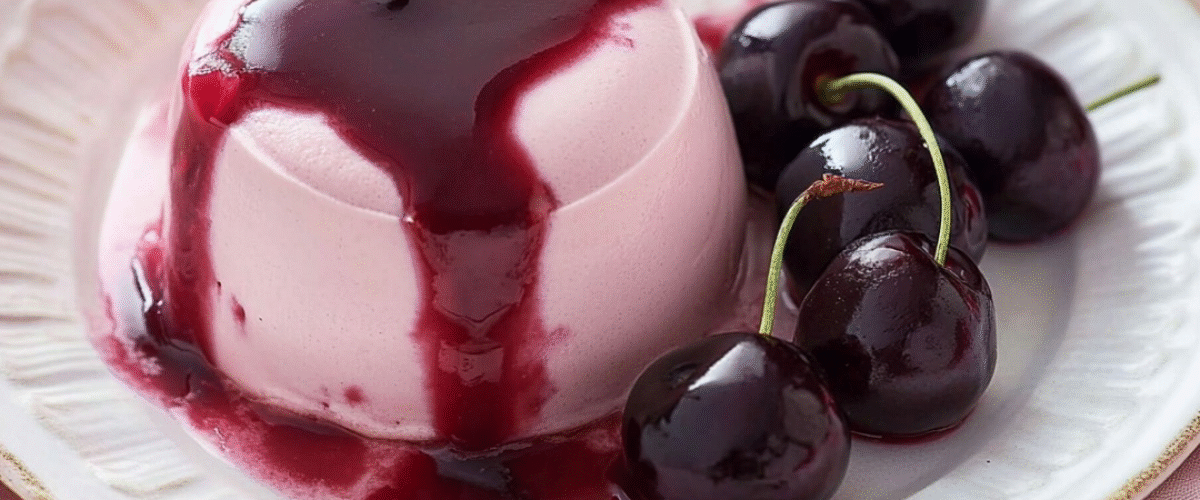
Die Kirsch-Bayerische Creme ist ein raffiniertes französisches Dessert, das die seidige Konsistenz traditioneller Bayerischer Creme mit dem intensiven Geschmack frischer Kirschen verbindet. Dieses elegante Dessert besticht durch seine leichte, luftige Textur, die auf der Zunge zergeht, und bietet einen intensiven Kirschgeschmack, der perfekt mit Vanillenoten harmoniert. Ob Sie eine Dinnerparty veranstalten oder sich selbst etwas Besonderes gönnen – dieses Rezept für die Kirsch-Bayerische Creme überzeugt durch seine Präsentation in Restaurantqualität und seinen unvergesslichen Geschmack.
Zutaten für die Bayerische Kirschcreme
Für die Bayerische Creme-Basis:
- 300 g (10,6 oz) frische Kirschen, entsteint
- 12 g (4 Päckchen) geschmacksneutrales Gelatinepulver
- 150 ml (2/3 Tasse) Sahne
- 150 ml (2/3 Tasse) Vollmilch
- 60 g (1/4 Tasse) Kristallzucker
- 55 g (3 große) Eigelb
- Saft einer halben Zitrone (ca. 1 Esslöffel)
- 1 Vanilleschote (oder 1 Teelöffel Vanilleextrakt)
Für das Kirschcoulis:
- 100 g (3,5 oz) frische Kirschen, entsteint
- 20 g (1,5 Esslöffel) Kristallzucker
- Zusätzlicher Zitronensaft nach Geschmack
Schritt-für-Schritt-Anleitung
Zubereitung der Gelatine-Milch-Basis
Streuen Sie zunächst das Gelatinepulver über 3 Esslöffel kaltes Wasser in einer kleinen Schüssel. Lassen Sie es 5 Minuten quellen, bis es schwammig wird und die gesamte Flüssigkeit aufnimmt. Gießen Sie in der Zwischenzeit die Milch in einen kleinen Topf und schneiden Sie die Vanilleschote der Länge nach auf. Kratzen Sie das Mark mit einem Messer heraus. Geben Sie Schote und Mark in die Milch und erhitzen Sie sie bei mittlerer Hitze, bis sich am Rand kleine Bläschen bilden. Die Milch darf nicht kochen.
Gründung der Custard Foundation
In einer separaten Schüssel Eigelb und Zucker verquirlen, bis die Masse hell und leicht eingedickt ist (ca. 2–3 Minuten kräftig schlagen). Die Vanilleschote aus der heißen Milch nehmen und die Milch langsam unter ständigem Rühren in die Eiermischung gießen, damit die Eier nicht gerinnen. Dieses Temperieren ist entscheidend für eine glatte Puddingbasis.
Die Mischung zurück in den Topf geben und bei schwacher Hitze unter ständigem Rühren mit einem Holzlöffel kochen, bis die Creme die Rückseite des Löffels bedeckt und eine Temperatur von 77 °C erreicht hat. Sofort vom Herd nehmen und die aufgequollene Gelatine einrühren, bis sie sich vollständig aufgelöst hat. Die Mischung durch ein feinmaschiges Sieb passieren, um eine glatte Masse zu erhalten, und zum Abkühlen auf Raumtemperatur beiseite stellen.
Zubereitung des Kirschelements
Während der Pudding abkühlt, bereiten Sie die Kirschkomponente vor. Pürieren Sie dazu die 300 g Kirschen mit dem Zitronensaft in einer Küchenmaschine oder einem Mixer, bis eine glatte Masse entsteht. Passieren Sie das Püree durch ein feinmaschiges Sieb, um alle restlichen Stücke zu entfernen und eine geschmeidige Konsistenz zu erhalten. Rühren Sie das Kirschpüree unter die abgekühlte Puddingmischung, bis es vollständig eingearbeitet ist.
Einarbeiten der Schlagsahne
In a clean bowl, whip the heavy cream to soft peaks using an electric mixer or whisk. The cream should hold its shape but still appear glossy rather than grainy. Gently fold one-third of the whipped cream into the cherry custard mixture to lighten it, then carefully fold in the remaining cream in two additions, being careful not to deflate the mixture.
Molding and Setting
Divide the cherry Bavarian cream mixture among individual serving molds or ramekins, filling them about three-quarters full. Cover each mold with plastic wrap, ensuring the wrap doesn’t touch the surface of the cream. Refrigerate for at least 5 hours or overnight until completely set and firm to the touch.
Preparing the Cherry Coulis
For the coulis, combine the remaining 100g of cherries with 20g of sugar in a small saucepan. Cook over medium heat for 8-10 minutes, stirring occasionally, until the cherries break down and release their juices. Strain the mixture through a fine-mesh sieve, pressing the solids to extract maximum flavor. Add lemon juice to taste and refrigerate until ready to serve.
Final Assembly and Serving
To unmold the Bavarian creams, briefly dip the bottom of each mold in warm water for 10-15 seconds, then run a thin knife around the edges. Invert onto serving plates and gently lift the molds. Drizzle the cherry coulis around and over each dessert, and garnish with fresh cherries if desired.
Nutritional Information and Timing
Preparation Time: 45 minutes
Chilling Time: 5 hours
Total Time: 5 hours 45 minutes
Servings: 6 individual desserts
Nutritional Information per serving:
- Calories: 245
- Protein: 6g
- Carbohydrates: 22g
- Fat: 15g
- Fiber: 2g
- Sugar: 20g
- Calcium: 12% DV
- Vitamin C: 15% DV
This dessert provides a good source of vitamin C from the fresh cherries and calcium from the dairy components. The moderate calorie count makes it a reasonable indulgence for special occasions.
Variations and Substitutions
Flavor Variations
Transform this recipe by substituting cherries with other seasonal fruits. Strawberry Bavarian cream works beautifully with 300g of hulled strawberries, while raspberry creates an intensely flavored dessert with a gorgeous color. For a tropical twist, try mango or passion fruit, adjusting the sugar content based on the fruit’s natural sweetness.
Dietary Adaptations
For a lighter version, substitute half of the heavy cream with Greek yogurt, though this will create a slightly tangier flavor profile. Lactose-intolerant individuals can use lactose-free milk and cream without affecting the texture. For a lower-sugar option, reduce the sugar by half and add stevia to taste, keeping in mind that some sugar is necessary for proper texture.
Presentation Alternatives
Instead of individual molds, prepare this dessert in a large glass bowl for a trifle-style presentation, layering the Bavarian cream with fresh cherries and perhaps some ladyfinger cookies. For an elegant plated dessert, serve quenelles of the cream alongside fresh fruit and a drizzle of coulis.
Professional Tips
Gelatin can be temperamental, so ensure your bloomed gelatin is completely dissolved before adding it to the custard. If you notice any lumps, gently reheat the mixture while stirring until smooth. The key to perfect Bavarian cream is achieving the right consistency before adding the whipped cream – it should be cool but not set, with the consistency of thick cream.
Frequently Asked Questions
Can I make cherry Bavarian cream without eggs?
Yes, you can create an eggless version by increasing the gelatin to 15g and heating the milk with sugar until dissolved, then proceeding with the remaining steps. The texture will be slightly less rich but still delicious. This variation is perfect for those with egg allergies or preferences.
How long can cherry Bavarian cream be stored in the refrigerator?
Cherry Bavarian cream will keep in the refrigerator for up to 3 days when properly covered. The gelatin structure maintains its integrity well, though the texture is best within the first 24 hours. Always keep it covered to prevent absorption of other refrigerator odors and surface drying.
What’s the best way to unmold Bavarian cream without breaking it?
The key is using just enough warm water to loosen the edges without melting the dessert. Dip only the bottom of the mold in warm (not hot) water for 10-15 seconds, then run a thin, sharp knife around the edges before inverting. If it doesn’t release easily, repeat the process briefly rather than forcing it.
Can I freeze cherry Bavarian cream for longer storage?
While technically possible, freezing is not recommended as it significantly affects the texture. The gelatin structure can become grainy and the cream may separate upon thawing. If you must freeze it, do so for no more than one month and allow it to thaw slowly in the refrigerator.
Why didn’t my Bavarian cream set properly?
Several factors can prevent proper setting: insufficient gelatin, gelatin that wasn’t properly dissolved, mixture that was too warm when the cream was folded in, or cream that was over-whipped. Ensure your gelatin is fully bloomed and dissolved, and that your custard base has cooled to room temperature before folding in soft-peaked cream.
This cherry Bavarian cream recipe delivers professional-quality results with careful attention to technique and timing. The combination of fresh cherry flavor, silky texture, and elegant presentation makes it a showstopping dessert that’s surprisingly achievable for home cooks. Whether served at a dinner party or enjoyed as a special treat, this sweet dream dessert will create lasting memories with every spoonful.