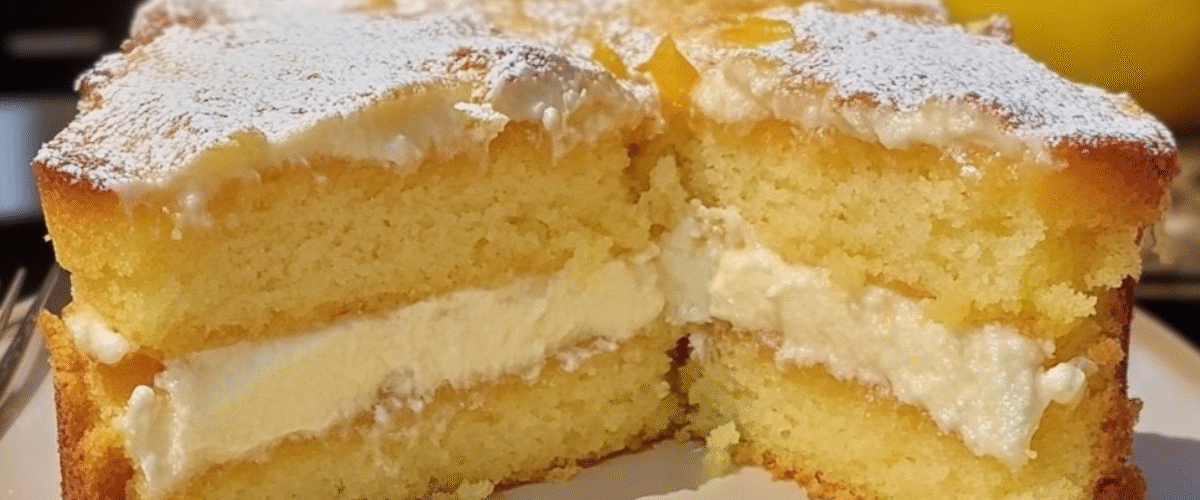
Dieser spektakuläre Zitronen-Schichtkuchen kombiniert zarten, saftigen Biskuitboden mit einer seidigen Zitronencremefüllung und kreiert so ein elegantes Dessert mit einem intensiven Zitrusgeschmack. Die Kombination aus frischem Zitronensaft, Zitronenschale und cremiger Füllung macht diesen Kuchen perfekt für besondere Anlässe oder einfach immer dann, wenn Sie einen Sonnenstrahl auf Ihrem Teller brauchen.
Zutaten
Für 10-12 Portionen:
Zitronenquarkfüllung
- 1 großes Ei
- 50 g / 1,76 oz / ¼ Tasse Kristallzucker
- Prise Salz
- 20 g / 0,71 oz / 2 Esslöffel Maisstärke
- 200 ml / 0,85 Tassen Vollmilch
- Schale von 1 großen Zitrone
- Saft einer halben großen Zitrone (ca. 2 Esslöffel)
- 25 g / 0,88 oz / 2 Esslöffel Butter
Zitronenbiskuitkuchen
- 3 große Eier
- 150 g Kristallzucker
- Prise Salz
- 10 g / 0,35 oz / 1 Esslöffel Vanillezucker (oder 1 Teelöffel Vanilleextrakt)
- 150 ml / 0,63 Tassen Pflanzenöl
- 60 g / 2,11 oz / ¼ Tasse Sauerrahm
- 250 g / 2,11 Tassen Allzweckmehl
- 15 g / 0,53 oz / 2 Esslöffel Backpulver
- Schale von 1 Zitrone
Montage und Dekoration
- 30 g Mandelblättchen
- Puderzucker zum Bestäuben
- Optional: extra Zitronenschale zum Garnieren
Schritt-für-Schritt-Anleitung
Zubereitung des Lemon Curds (25 Minuten)
Schritt 1: In einem mittelgroßen Topf Ei, Zucker, Salz und Maisstärke glatt rühren. Achten Sie darauf, dass keine Maisstärkeklumpen mehr in der Mischung sind.
Schritt 2: Die Milch nach und nach unter ständigem Rühren hinzufügen, um Klumpenbildung zu vermeiden. Frische Zitronenschale und Zitronensaft hinzufügen und weiterrühren, bis eine glatte, gleichmäßige Masse entsteht.
Schritt 3: Stellen Sie den Kochtopf auf mittlere bis niedrige Hitze und kochen Sie die Mischung unter ständigem Rühren 8–12 Minuten lang, bis sie eine puddingartige Konsistenz erreicht hat, die auf der Rückseite eines Löffels haften bleibt.
Schritt 4: Vom Herd nehmen und sofort die Butter unterrühren, bis sie geschmolzen und vollständig eingearbeitet ist. Der Quark sollte glatt und glänzend sein.
Schritt 5: Die Zitronencreme in eine Schüssel geben und Frischhaltefolie direkt auf die Oberfläche drücken, damit sich keine Haut bildet. Mindestens 2 Stunden im Kühlschrank aufbewahren oder bis die Creme vollständig abgekühlt und fest ist.
Zubereitung des Zitronenbiskuitkuchens (50 Minuten)
Schritt 6: Heizen Sie Ihren Backofen auf 180 °C (160 °C Umluft) / 350 °F / Gas Stufe 4 vor. Fetten Sie zwei runde Kuchenformen mit 20 cm (8 Zoll) Durchmesser ein und legen Sie den Boden mit Backpapier aus.
Schritt 7: In einer großen Rührschüssel die Eier, den Kristallzucker, das Salz und den Vanillezucker 3–4 Minuten lang verquirlen, bis die Mischung hell, dick und voluminös ist.
Schritt 8: Pflanzenöl und Sauerrahm zur Eiermischung geben und vorsichtig verrühren, bis alles gut vermischt ist. Achten Sie darauf, nicht zu lange zu rühren, da die Eier sonst zusammenfallen können.
Step 9: In a separate bowl, sift together the flour and baking powder. Add the fresh lemon zest to the flour mixture and toss to distribute evenly.
Step 10: Gradually fold the flour mixture into the wet ingredients using a large spoon or spatula, working in three additions. Fold gently until just combined, ensuring no streaks of flour remain.
Step 11: Divide the batter evenly between the prepared cake pans, spreading it level with an offset spatula. Sprinkle the almond flakes over the top of one layer only.
Step 12: Bake for 25-30 minutes, until the cakes are golden brown, spring back when lightly touched, and a toothpick inserted in the center comes out clean.
Step 13: Cool the cakes in their pans for 10 minutes, then turn out onto wire racks to cool completely before assembling.
Assembly and Finishing (15 minutes)
Step 14: Once both the cake layers and lemon curd are completely cool, place the plain cake layer (without almonds) on your serving plate.
Step 15: Spread the chilled lemon curd evenly over the bottom layer, leaving a small border around the edges to prevent overflow when the top layer is added.
Step 16: Carefully place the almond-topped cake layer on top of the lemon curd, pressing down very gently to secure the layers together.
Step 17: Just before serving, dust the top generously with powdered sugar using a fine-mesh sieve. Add extra lemon zest for garnish if desired.
Nutritional Information
Per slice (1 of 12):
- Calories: 285
- Protein: 6g
- Carbohydrates: 42g
- Dietary Fiber: 1g
- Fat: 11g
- Sugar: 22g
- Sodium: 195mg
- Vitamin C: 8% Daily Value
- Calcium: 95mg
- Iron: 8% Daily Value
Total preparation time: 3 hours 30 minutes (1 hour 20 minutes active time + 2 hours 10 minutes cooling) Yield: 10-12 slices
This lemon layer cake provides energy from carbohydrates and healthy fats, while the fresh lemon adds vitamin C and natural citrus flavors. The homemade lemon curd contains fewer preservatives than store-bought alternatives.
Recipe Variations and Substitutions
Flavor Variations
Orange Delight Cake: Replace lemon juice and zest with orange juice and zest for a sweeter citrus flavor. Use the same quantities throughout the recipe.
Lime Twist: Substitute lime juice and zest for an exotic, tangy variation. Lime pairs beautifully with the almond flakes and creates a tropical flavor profile.
Mixed Citrus: Combine lemon, orange, and lime zest in equal proportions for a complex citrus flavor that’s both bright and sophisticated.
Berry Lemon: Add 100g fresh blueberries or raspberries to the cake batter and create a mixed berry-lemon curd filling.
Dietary Modifications
Gluten-Free Version: Replace all-purpose flour with a 1:1 gluten-free flour blend. The texture may be slightly different but equally delicious.
Dairy-Free Option: Use plant-based milk in the curd, replace butter with vegan butter, and substitute sour cream with coconut cream or dairy-free yogurt.
Reduced Sugar: Decrease sugar in both components by 25% and rely more on the natural sweetness of lemon. The cake will be less sweet but equally flavorful.
Egg-Free Cake: Replace eggs in the cake with 3 tablespoons ground flaxseed mixed with 9 tablespoons water, though the texture will be denser.
Filling Alternatives
Lemon Buttercream: Create a lighter filling using butter, powdered sugar, lemon juice, and zest for those who prefer buttercream to curd.
Mascarpone Lemon Cream: Mix mascarpone cheese with lemon curd for an ultra-rich, creamy filling that’s less sweet than pure curd.
Fresh Fruit Addition: Layer thin slices of fresh strawberries or raspberries with the lemon curd for added texture and color.
Storage and Serving Suggestions
Store this lemon layer cake covered in the refrigerator for up to 4 days due to the dairy-based lemon curd filling. Bring to room temperature 30 minutes before serving for the best flavor and texture. The cake can be assembled up to 24 hours ahead, making it perfect for entertaining.
Serve slices with fresh berries, a dollop of whipped cream, or a drizzle of additional lemon curd. This cake pairs beautifully with Earl Grey tea, coffee, or sparkling wine for special occasions.
For individual presentations, cut the cake into elegant wedges and garnish each plate with a twist of lemon peel, fresh mint leaves, or a few toasted almond slices.
Frequently Asked Questions
Why did my lemon curd turn lumpy or curdle? Lumpy curd usually results from cooking over too high heat or not whisking constantly. Always use medium-low heat and whisk continuously. If lumps form, strain the curd through a fine-mesh sieve while still warm.
Can I make the components ahead of time? Yes! The lemon curd can be made up to 3 days ahead and stored covered in the refrigerator. The cake layers can be baked, cooled, wrapped, and stored at room temperature for 2 days or frozen for up to 1 month.
How do I prevent the cake layers from sticking to the pans? Properly grease the pans with butter or oil, line with parchment paper, and allow the cakes to cool for 10 minutes before turning out. Running a knife around the edges before cooling also helps release the cakes.
Why is my cake dense instead of light and fluffy? Dense cake usually results from overmixing the batter after adding flour, which develops too much gluten. Fold the flour mixture gently just until combined, and ensure your baking powder is fresh and active.
Kann ich die Cupcakes stattdessen auch backen? Absolut! Den Teig auf 18–20 Cupcake-Förmchen verteilen und 18–22 Minuten backen. Nach dem Abkühlen die Mitte leicht aushöhlen und mit Zitronenquark füllen. Anschließend mit Puderzucker bestäuben.
Dieser pikante Zitronenkuchen vereint die perfekte Balance aus süßen und säuerlichen Aromen in einer eleganten Präsentation, die garantiert beeindruckt. Die selbstgemachte Zitronencreme bietet einen besseren Geschmack als gekaufte Alternativen, während der zarte Biskuitboden die ideale Kulisse für die leuchtende Zitrusfüllung bildet. Ob Sie einen besonderen Anlass feiern oder einfach nur Lust auf Sonnenschein haben – dieser Kuchen bietet puren Zitronengenuss mit jedem Bissen.